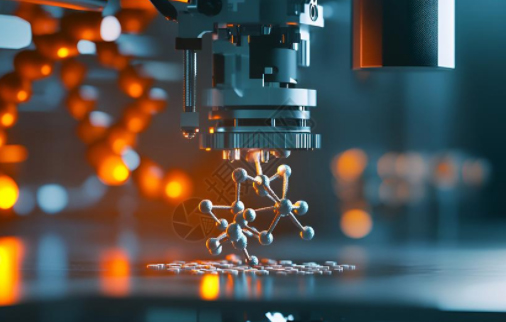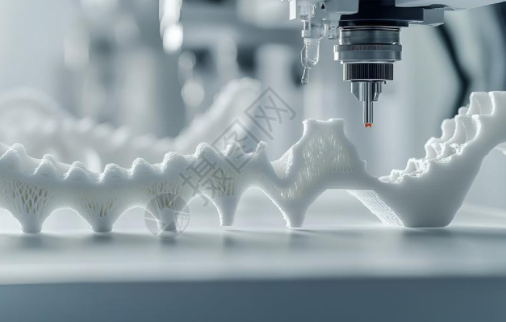

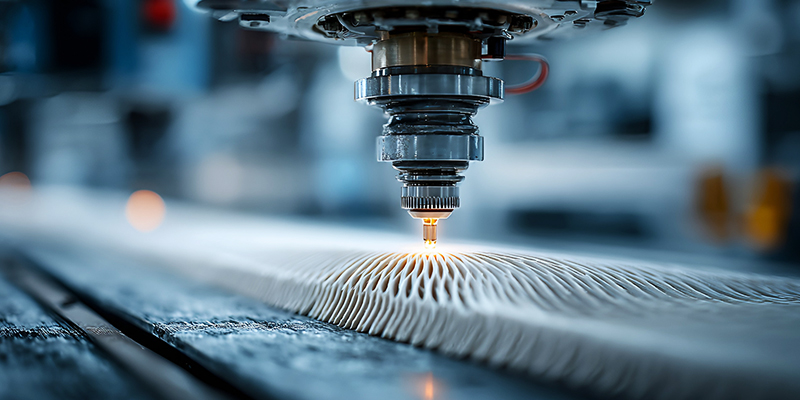
1. Manufacturing and industrial applications: 3D printing technology is mainly used in manufacturing for prototyping, rapid manufacturing, and small-batch production. It can manufacture complex parts, molds and tools, such as engine components and seat brackets, thereby reducing manufacturing costs and improving production efficiency.
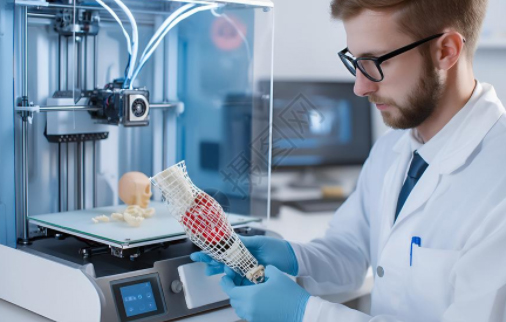
2. Medical field: In the medical field, 3D printing technology holds great potential. It can be used to manufacture personalized medical devices, implants, prostheses and prostheses, customized according to the patient's body structure, to provide better fit and comfort. In addition, 3D printing can also be used in bioprinting, such as in the research of tissue engineering and organ transplantation.
3. Aerospace industry: 3D printing technology is used in the aerospace field to manufacture complex parts, lightweight structures and engine components. It can enhance the performance of aerospace equipment and reduce the weight of components.
4. Automotive industry: Automakers mainly use 3D printing technology to produce prototypes, custom parts and production tools, such as dashboard panels and door handles. This helps to accelerate the development cycle of automobiles, reduce costs and improve production efficiency.
5. Construction Industry: 3D printing technology is used in the construction field to print building structures and components, such as precast concrete wall panels and building exterior decorations. This can reduce construction costs, accelerate construction speed, and enable more complex and innovative designs.
6. Consumer goods: 3D printing technology can be used to manufacture personalized consumer goods, such as custom-made shoes, glasses, jewelry and household items.
7. Education and Research: 3D printing technology is widely used in the fields of education and research to create teaching models, experimental devices and scientific research prototypes.